Address
Kerala, India.
Made with ❤️ to make learning and exam preparation a little easier.
Address
Kerala, India.
Made with ❤️ to make learning and exam preparation a little easier.


Effective revision is not about reading the same pages repeatedly. It is about actively working with information so that you can remember and use it when you need it during an exam. A good revision strategy combines understanding, practice, recall, and regular review.
Before you begin, identify the subjects and topics you need to revise. Check your syllabus, class notes, textbooks, and previous question papers to understand what needs the most attention. Divide large topics into smaller sections so that your revision feels manageable.
A simple plan can prevent you from spending too much time on topics you already know while leaving difficult areas until the last moment.
One of the most useful revision techniques is active recall. Instead of simply reading your notes, close the book and try to remember the information yourself. Ask yourself questions, explain concepts aloud, or write down everything you can remember about a topic.
Retrieving information from memory is more active than simply looking at it. If you cannot remember something, check your notes and try again later.
Practice questions help you understand how information may be tested. They also reveal which areas need more attention. Start with straightforward questions and gradually include more challenging problems.
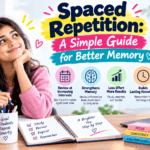
Rather than studying a topic once and leaving it until the exam, return to it several times. You might review it after a day, then several days later, and again closer to the exam. This creates repeated opportunities to retrieve the information.
Do not spend your entire revision time studying topics you already know well. Keep reviewing familiar material, but give additional attention to concepts you frequently forget or misunderstand.
Long, uninterrupted study sessions can become tiring. Short breaks can help you return to your work with better attention. Plan your study sessions so that focused work and rest are both part of your routine.
Effective exam revision involves more than reading. Create a plan, use active recall, practice questions, revisit topics regularly, and focus on areas that need improvement. A consistent approach can make revision more organized and productive.