Address
Kerala, India.
Made with ❤️ to make learning and exam preparation a little easier.
Address
Kerala, India.
Made with ❤️ to make learning and exam preparation a little easier.


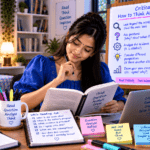
Becoming a better reader can make studying easier across almost every subject. Strong reading skills help you understand textbooks, instructions, articles, examination questions, and other learning materials. Improvement usually comes from practicing useful habits consistently rather than trying to change everything at once.
Regular reading gives you repeated opportunities to develop comprehension, vocabulary, and concentration. Even a short daily reading session can help you build consistency.
Know what you want to understand before you begin. A clear purpose helps you decide which information deserves the most attention.
Look at titles and headings before reading in detail. This creates a basic framework for the information you are about to encounter.
Turn important headings into questions and look for answers as you read. This makes reading more active.
Record useful unfamiliar words and learn their meanings. Try to understand how each word is used rather than memorizing a dictionary definition alone.
After reading a section, explain its main idea in your own words. Summarizing helps you determine whether you actually understood the material.
Read simple or familiar information more quickly and slow down for complex ideas. Effective readers do not necessarily use one speed for every type of material.
Choose a reasonably quiet environment when you need deep concentration. Put unnecessary notifications and devices aside during focused reading.
Ask whether the information makes sense, how it connects with what you already know, and what evidence supports the author’s ideas.
Return to important sections later instead of expecting to remember everything after one reading. Combine reading with active recall and notes.
Better reading comes from regular practice and active engagement. Read consistently, ask questions, summarize, learn vocabulary, manage distractions, and think critically about what you read.